

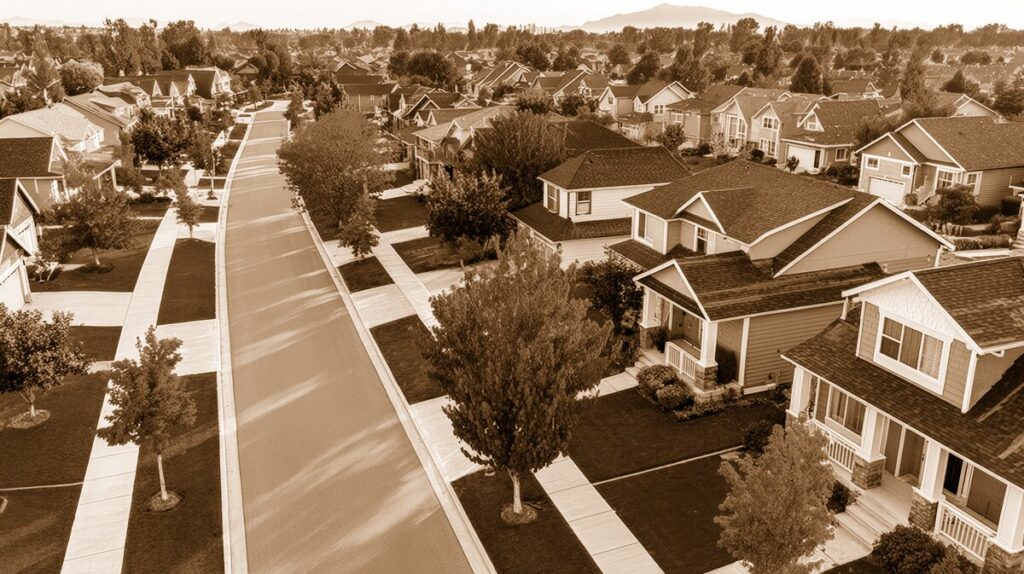
Few Baton Rouge neighborhoods embody the resilience and slow-blooming charm of the Jones Creek area. Nestled in the southeastern part of the city, Jones Creek is more than just a collection of streets and houses—it’s a vibrant community shaped by its history, natural beauty, and the enduring spirit of its residents. For longtime locals and new homeowners alike, Jones Creek offers an inviting blend of the old and the new, where oak-lined avenues and family-run businesses weave together the fabric of daily life.
The Origins of Jones Creek
The Jones Creek neighborhood, as the name suggests, borrows its identity from Jones Creek itself—a meandering tributary of the nearby Amite River. The creek, which still runs through the neighborhood today, was named in the 1800s after a settler family whose presence was influential in the area’s early development. The name stands as a quiet nod to Baton Rouge’s rural past, where waterways were lifelines for farming, homesteading, and transportation.
In the decades that followed, the land around Jones Creek remained largely undeveloped, dotted with scattered farms and woodland. Through much of the twentieth century, the area was part of East Baton Rouge Parish’s agricultural heartland, with dairy farms and pastures stretching from O’Neal Lane to Sherwood Forest Boulevard.
Growth and Development: Key Milestones
Jones Creek’s transformation from farmland to a lively neighborhood parallels the growth of Baton Rouge itself. In the 1970s and 1980s, as the city’s population burgeoned, new suburban developments sprang up along Jones Creek Road and the surrounding arteries, such as George O’Neal Road and Coursey Boulevard.
- 1970s: The first major residential subdivisions began to take shape, including the Woodlawn Estates and Shenandoah. These neighborhoods signaled the shift from agrarian fields to family neighborhoods with tree-lined streets, community parks, and nearby schools.
- 1980s–1990s: The commercial corridor along Jones Creek Road flourished, bringing essential services, restaurants, churches, and small businesses closer to home. The opening of Woodlawn Baptist Church and Woodlawn High School, just off Tiger Bend Road, became central to the community’s identity.
- 2000s–Present: Jones Creek has retained much of its residential character but now features a diverse array of newer homes, updated infrastructure, and a continually growing slate of small, locally owned shops and eateries. Despite increasing urbanization, the creek and several green spaces offer a direct thread to the area’s natural roots.
Notable Landmarks and Institutions
The story of Jones Creek can’t be told without mention of its cherished landmarks—some functional, others steeped in nostalgia. Each place contributes to the area’s unique sense of place, serving as both gathering spots and reminders of shared history.
- Woodlawn High School
Established in 1949 (and later relocated to Antietam Avenue), Woodlawn High School has educated generations of Baton Rougeans. Known for its purple-and-white Panthers, the school is a hub for sports and civic pride, attracting families from across the district.
- Woodlawn Baptist Church
Located on Jones Creek Road, this longstanding church has served as both a spiritual center and a gathering place for everything from community potlucks to youth athletic leagues.
- Jones Creek Regional Branch Library
Opened in the late 1990s, this branch of the East Baton Rouge Parish Library system is fiercely beloved by locals. Set back from the road and shaded by mature trees, it offers programs for all ages and serves as a quiet retreat for readers and researchers.
- Brec Forest Park and Brec Antioch Boulevard Park
With trails for joggers and playgrounds for children, neighborhood parks along Jones Creek highlight the area’s commitment to outdoor living. Forest Park’s scenic walking paths and Antioch's open spaces offer welcome green escapes.
Streets and Scenes: A Walk Through the Neighborhood
Driving or strolling through Jones Creek, you’ll encounter a pleasing mix of the familiar and the new. Key arteries like Jones Creek Road, George O’Neal Road, and Tiger Bend Road form the neighborhood’s backbone. Many of the side streets—such as Dunwoody Drive and Ridgeside Avenue—are lined with established homes shaded by live oaks and crepe myrtles.
Coursey Boulevard, just north of the heart of Jones Creek, has become a bustling strip dotted with restaurants, fitness studios, and coffee shops. Even as commerce grows, the neighborhood maintains a welcoming sense of calm, with sidewalks busy on weekends as neighbors walk dogs or ride bikes.
Evolution and Community Spirit
The character of Jones Creek has evolved with the times, growing more diverse and dynamic with each passing decade. One of the defining traits of the neighborhood is its strong kinship among residents. Community associations are active in events like neighborhood cleanups, holiday parades, and the much-anticipated fall festivals at local schools and churches.
What makes Jones Creek especially beloved is its balance—residents can enjoy suburban tranquility without sacrificing easy access to the wider amenities of Baton Rouge. Proximity to major roadways means downtown, LSU, and shopping at the Mall of Louisiana are all within easy reach. Yet on any given evening, the sights and sounds remain those of a friendly, close-knit neighborhood.
Preserving Heritage, Embracing Tomorrow
That small creek, still winding quietly behind back fences and under neighborhood bridges, is a reminder of Jones Creek’s heritage. Even as development continues, conservation efforts among residents and local organizations seek to protect the area’s natural landscapes and waterways.
For both lifelong residents and new arrivals, Jones Creek stands as a living story—one of adaptation, neighborly pride, and deep connections to the land and each other. Whether you’re children running in Forest Park, students gathering at Woodlawn High, or friends lingering over coffee on Coursey, there’s always a sense that you are part of something enduring. In Jones Creek, history isn’t just remembered—it’s lived, day by day.